Camera height
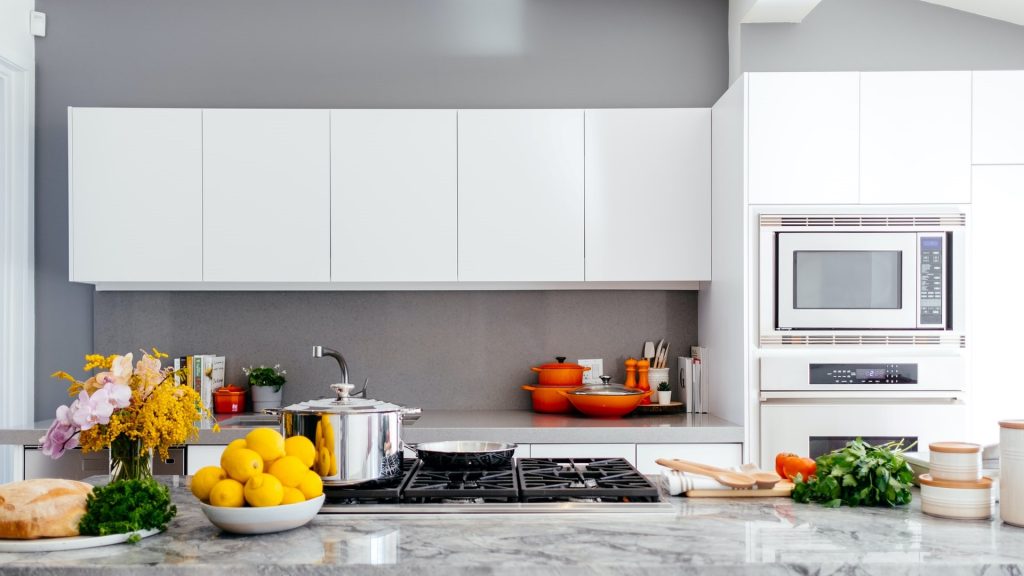
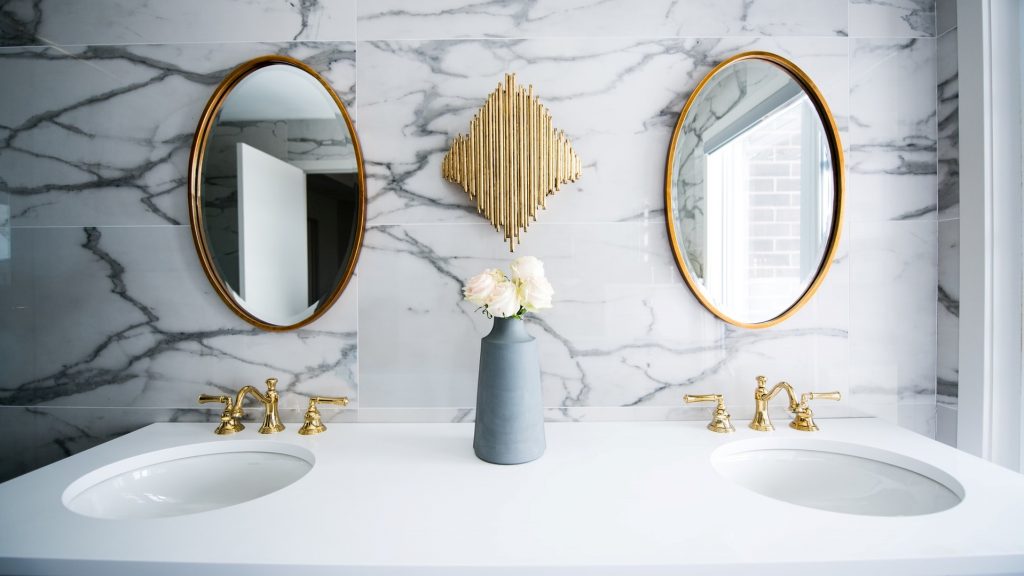
Set the camera at about chest height, 1.2 to 1.5 m. Too high and the furniture shrinks; too low and ceilings loom. In kitchens and bathrooms, drop to just above counter height so the worktops read clearly. Keep the same height from room to room so the gallery feels consistent.
Straight verticals
Walls, door frames and cabinets must stand straight up. Level the camera with a bubble level or the in-camera level, and avoid tilting it up or down; a tilted camera makes walls lean in or out. Small corrections are part of every edit, but a level camera gives the editor more of the original frame to work with.
One-point and two-point perspective
- One-point perspective: shoot straight at a wall so the back wall is square in the frame. It suits symmetrical rooms, bathrooms and hallways.
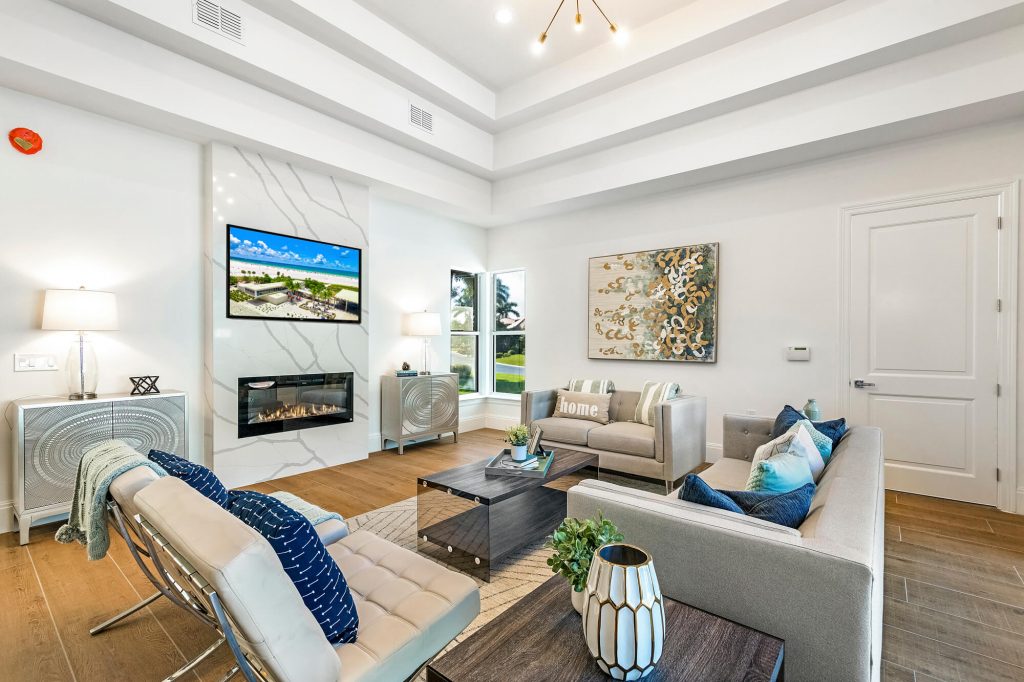
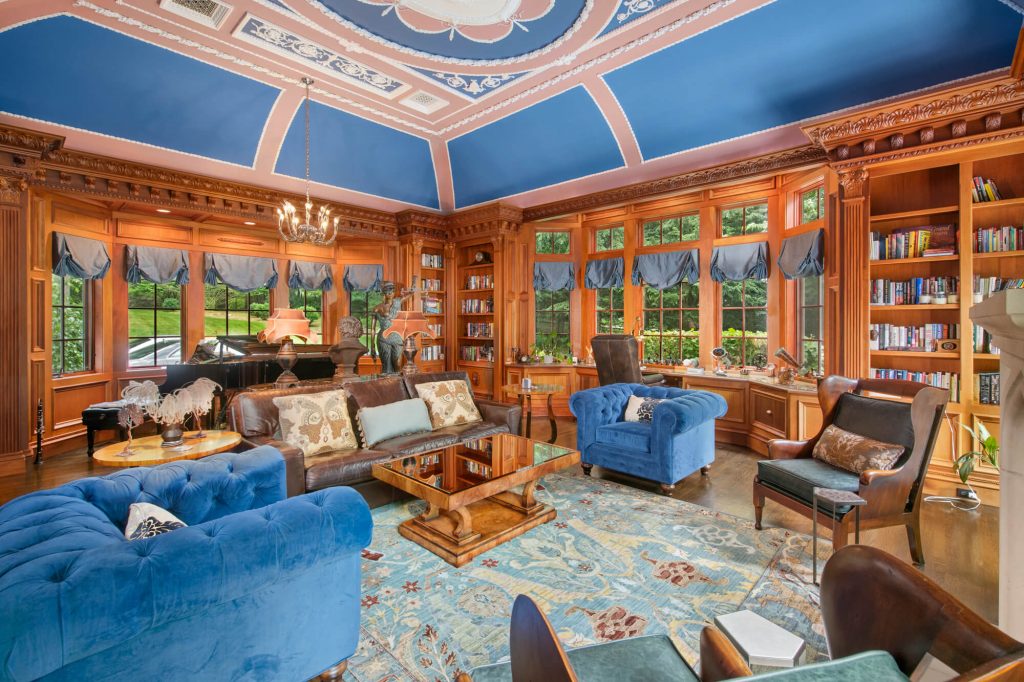
- Two-point perspective: shoot from a corner so two walls run away from the camera. It shows more of the room and gives a sense of depth, which suits living rooms, kitchens and bedrooms.
What to leave out
- Your own reflection in mirrors, windows and TV screens.
- Half-cut furniture at the edges of the frame; either include it or move the camera.
- Clutter: remotes, bins, towels, cables and personal photos. Clear what you can on site; small items can be removed in editing.
Framing a complete gallery
For each main room, take one wide shot that shows the layout and one that shows the feature buyers care about: the island, the fireplace, the view. Two good angles beat six similar ones.
Key takeaways
- Chest height for most rooms; just above the counter in kitchens and bathrooms.
- Level the camera so verticals stay straight.
- One-point for symmetry, two-point for depth.
- Two strong angles per main room are enough.
Common questions
What height should the camera be for real estate photos?
About chest height, 1.2 to 1.5 m, for most rooms. In kitchens and bathrooms, lower it to just above counter height so worktops read as surfaces.
Why do my walls look like they are leaning?
The camera is tilted up or down. Level it with a bubble level or the in-camera level and the verticals stay straight. Small corrections are made in editing, but a level camera keeps more of the frame.
How many photos should I take of each room?
Two strong angles per main room are usually enough: one wide shot that shows the layout and one that shows the feature buyers care about. Bathrooms and small rooms often need only one.