What each frame is for
- Ambient frame: the room in its own light. It carries the mood, the natural shadows and how the space feels.
- Flash frame: the room lit by bounced flash. It gives neutral colors, clean whites and sharp detail, and removes the color casts from walls and bulbs.
- Window pull frame: a darker exposure, often with flash, that holds the view outside the windows.
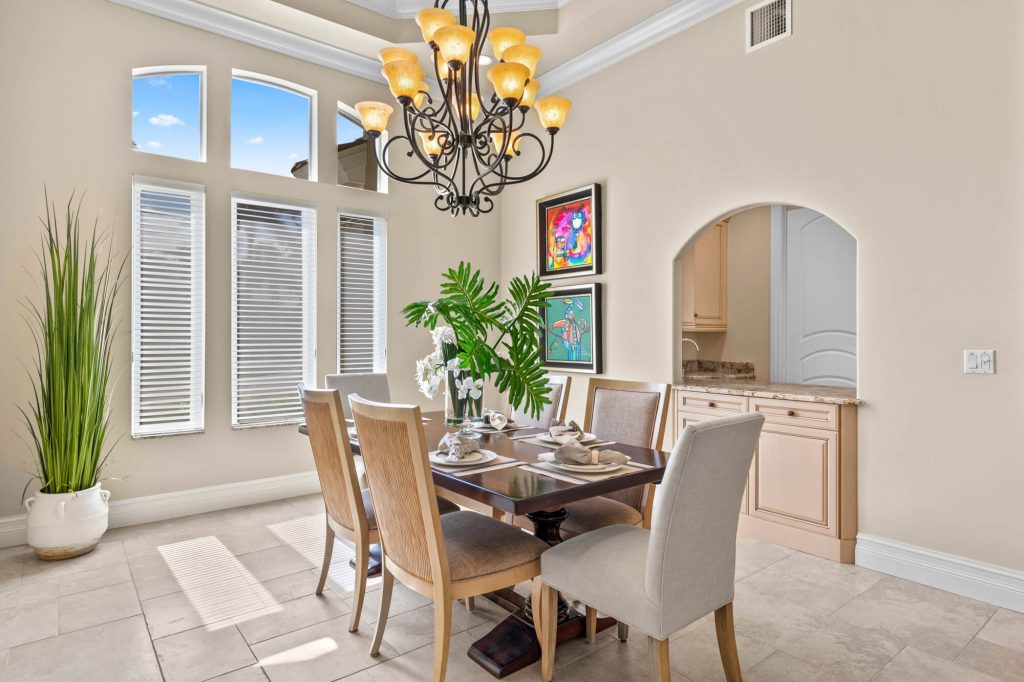
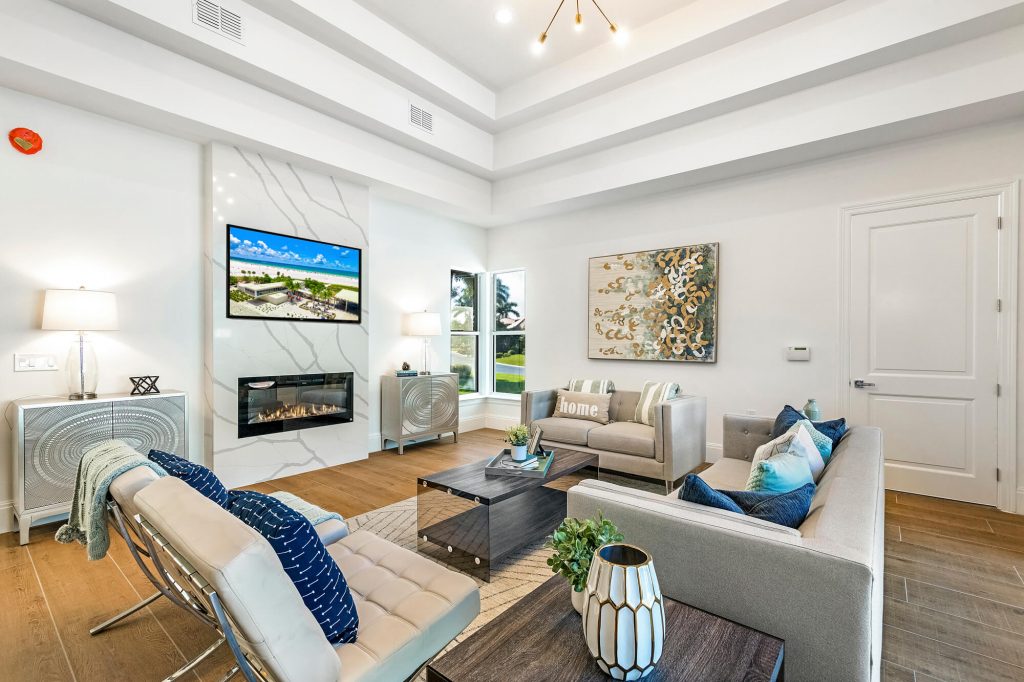
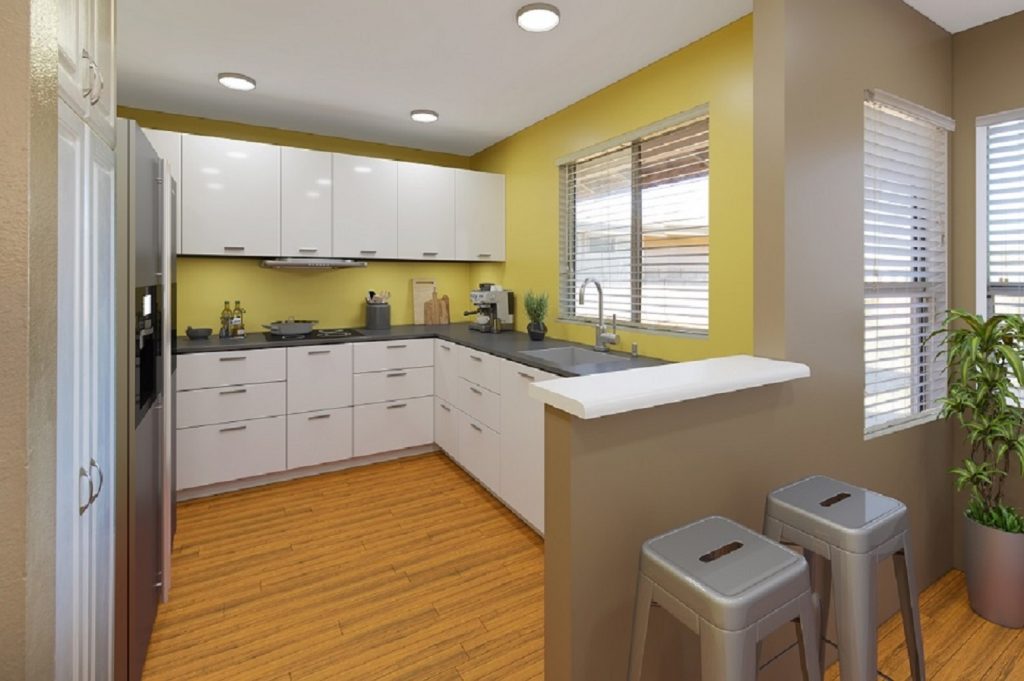
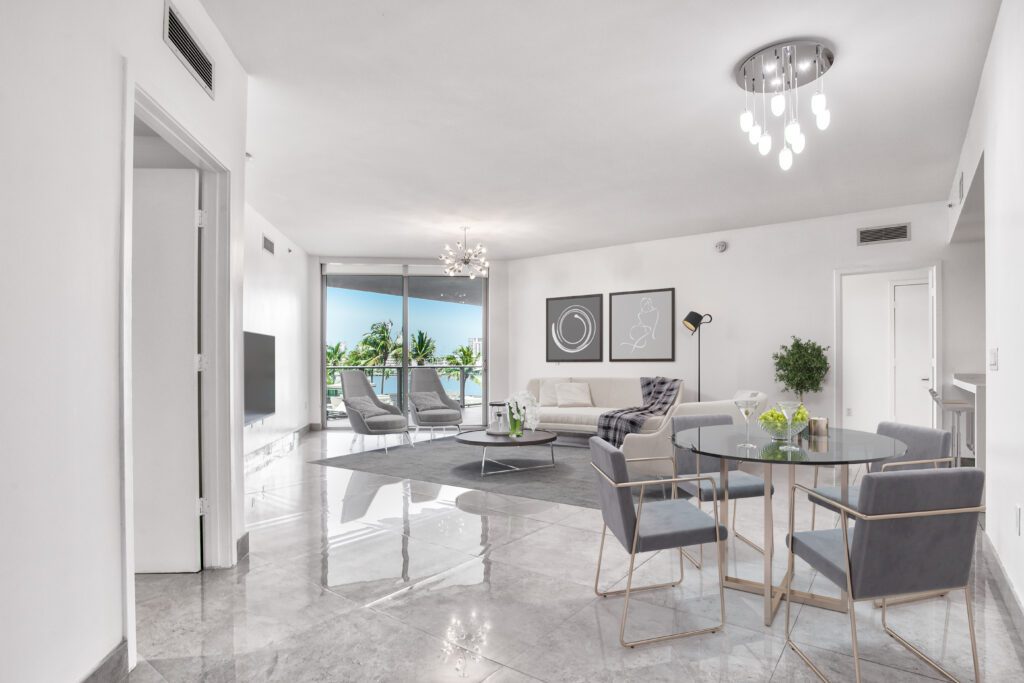
The editor blends the flash frame for color and clarity with the ambient frame for atmosphere, then drops in the window view.
Placing the flash
- Bounce the flash off the ceiling or the wall behind the camera, never straight at the room. Direct flash creates hard shadows and hot reflections.
- Use a white ceiling when you can; a colored wall reflects its color into the whole frame.
- For large rooms, take two or three flash frames from different positions (hand-held flash, camera still on the tripod) so every corner is lit.
Shooting the window pull
Expose for the brightest part of the view outside, then fire the flash so the window frame itself is lit. Keep the camera exactly where it was. This one frame is what lets an editor show a clear, natural view instead of a white window.
Keep the set consistent
- Camera locked on the tripod for every frame of the set.
- Same aperture and white balance across the set.
- Turn on the room lights for the ambient frame; they give warmth and show the fittings work.
- Check reflections in mirrors, glass and screens before you fire the flash.
Flambient or HDR?
HDR is quicker on site and works well in evenly lit homes. Flambient takes a few more minutes per room but handles strong color casts, dark wood and mixed lighting better. Many photographers shoot both: brackets for every room, plus flash frames for kitchens and main living spaces. An editor can work with either, as long as the frames of each set line up.
Key takeaways
- Shoot three things: ambient, bounced flash, and a window pull.
- Bounce flash off a white ceiling or the wall behind you.
- Keep the camera locked so every frame of the set aligns.
- Use flambient where color casts or dark finishes defeat HDR.
Common questions
What is flambient photography?
Flambient combines a flash frame and an ambient frame of the same composition. The flash frame gives clean, true colors and detail; the ambient frame keeps the natural light and mood. An editor blends them and adds a window pull for the view.
Do I need more than one flash?
No. One speedlight is enough. For big rooms, take two or three flash frames from different positions while the camera stays on the tripod, and the editor combines them.
Is flambient better than HDR?
Neither is always better. HDR is faster on site and works well in evenly lit homes. Flambient handles color casts, dark finishes and mixed lighting better. Many photographers bracket every room and add flash frames in key rooms.